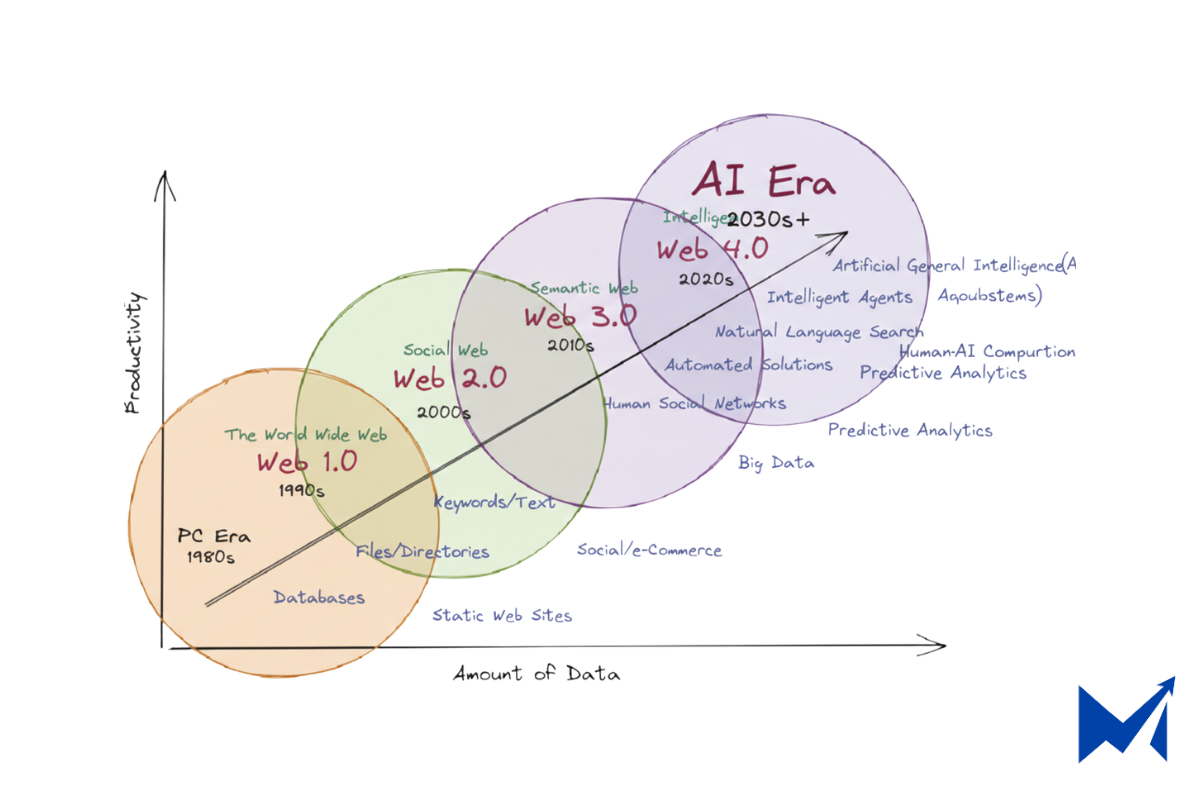
Digital marketing didn’t appear overnight. It evolved through decades of technological change — from the first email in the 1970s to AI-driven content and predictive analytics in 2025. Understanding this evolution helps marketers see why strategies work today and where the future is headed.
Your uploaded research document gives a detailed timeline of this transformation . This article simplifies and expands it into a clear, engaging, beginner-friendly narrative.
1. The Pre-Internet Foundations (1970s -1990)
Before the web existed, the seeds of digital communication had already been planted.
Key milestones:
- 1971: Ray Tomlinson sends the first email.
- Early databases and electronic bulletin boards begin shaping digital communication.
- Brands experiment with basic computer-based catalogues and primitive automation.
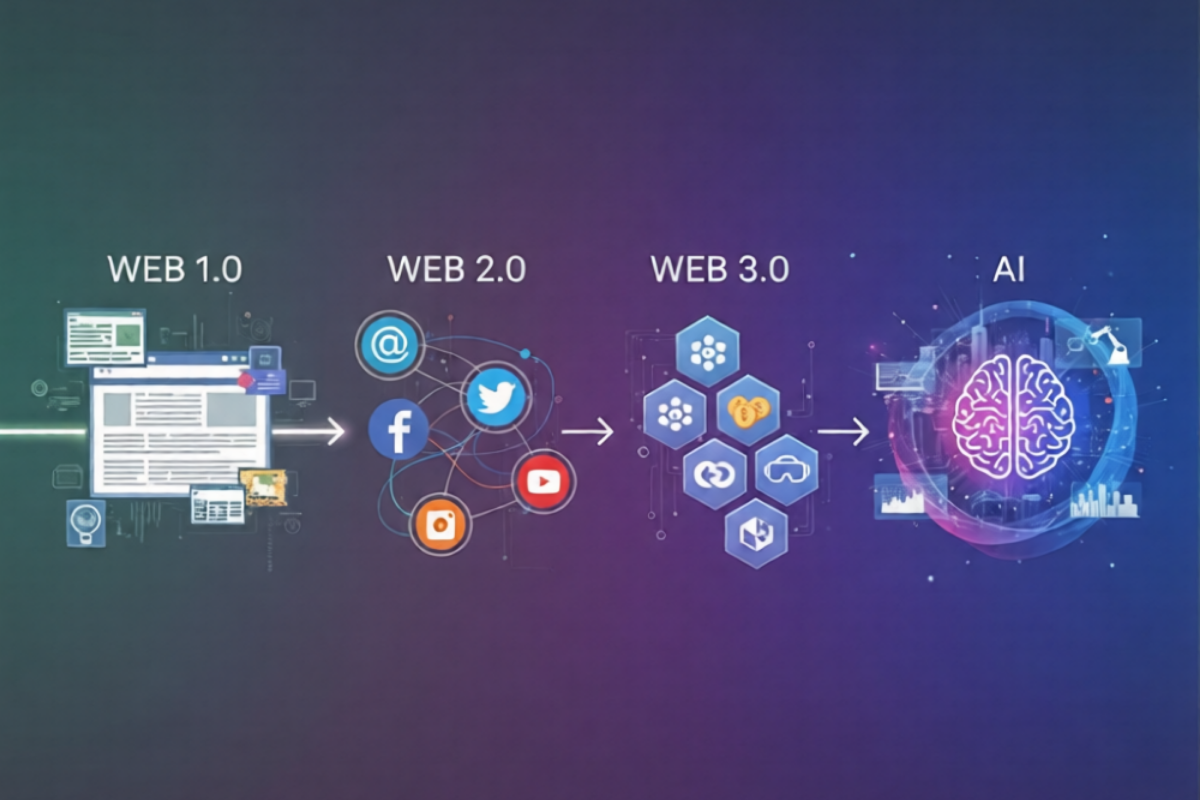
These innovations didn’t count as “digital marketing” yet - but they laid the groundwork for what would soon become a global revolution.
2. Web 1.0 — The Information Age (1991–2004)
When Tim Berners-Lee launched the World Wide Web publicly in 1991, everything changed.
Your research notes Web 1.0 as an era of static websites, minimal interactivity, and information consumption.
2.1 The first major marketing breakthroughs
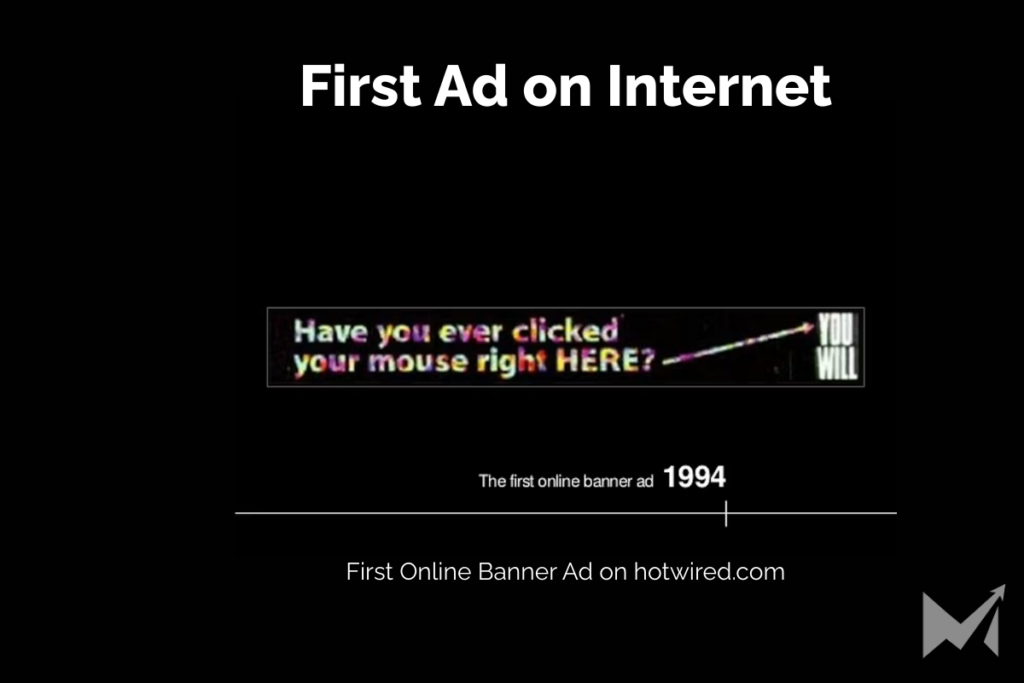
- 1993: First clickable banner ad (“You Will” by AT&T on Hotwired.com).
- 1994: Yahoo! launches.
- 1995–1997: Search engines (AltaVista, Ask Jeeves) introduce the concept of online discoverability.
- 1998: Google launches - a turning point.
Suddenly, brands realized:
👉 If people are searching online, you must be found online.
This period gave birth to early SEO practices.
2.2 Email becomes a marketing channel
By the late 90s, businesses began sending newsletters and promotions. It was basic, but extremely effective because inboxes were not yet crowded.
3. Web 2.0 - The Social & Interactive Era (2004–2015)
Web 2.0 was a period of interactivity, user-generated content, and two-way communication.
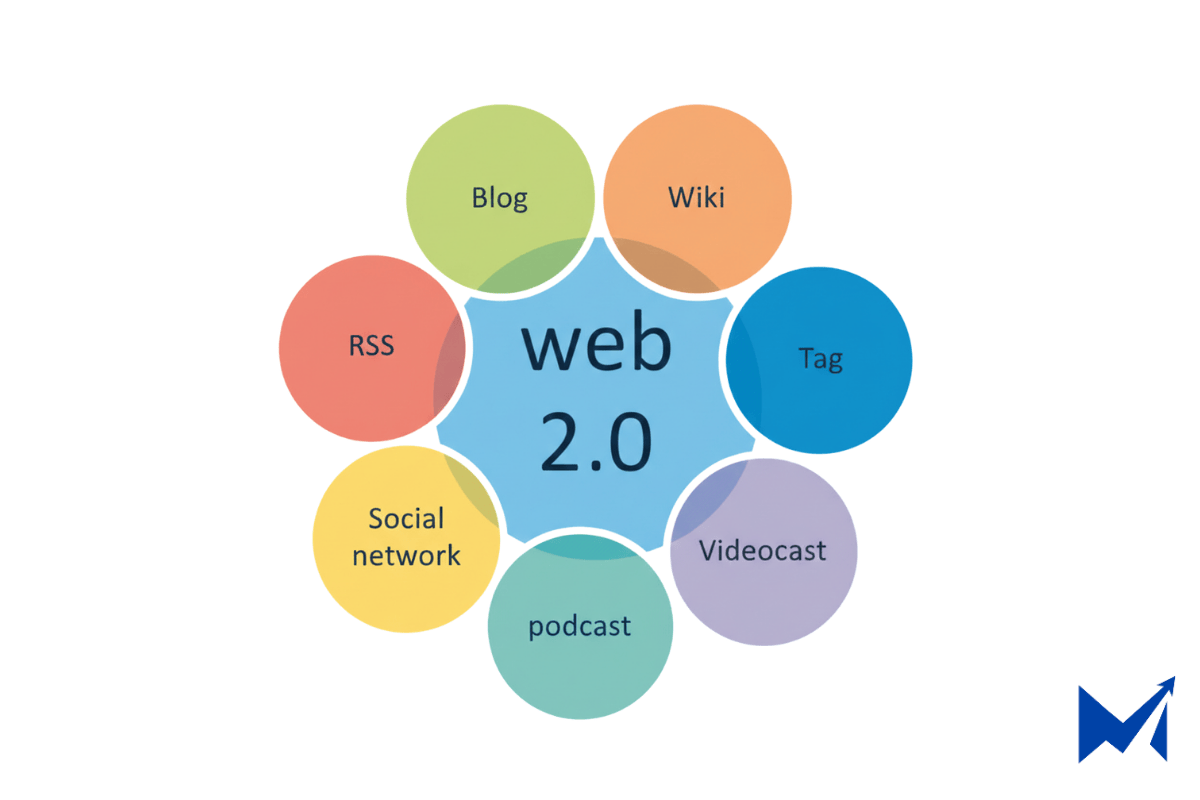
This is when marketing truly transformed.
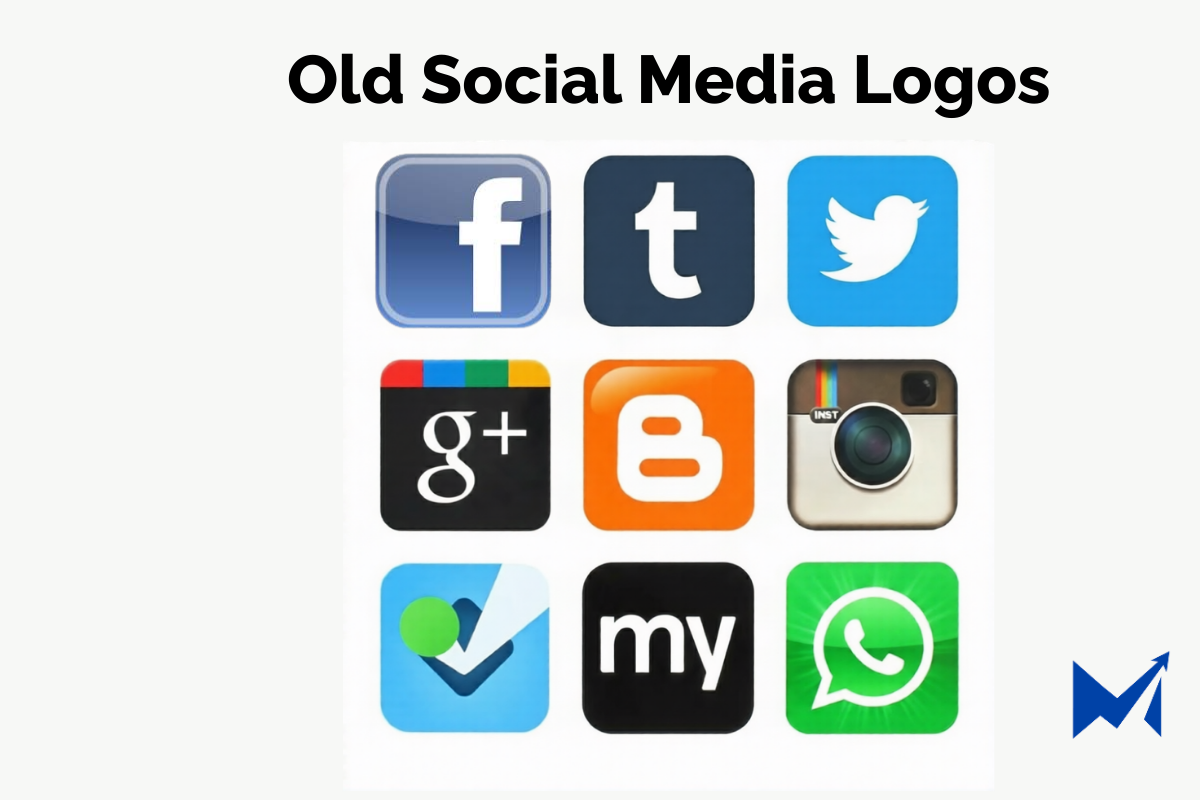
3.1 Platforms that rewrote the rulebook
For the first time, people weren’t just consuming content - they were creating it.
3.2 Rise of new marketing disciplines
This era introduced:
- Social Media Marketing (SMM)
- Influencer Marketing
- Online community management
- Viral content strategies
Brands shifted from “broadcasting” to “engaging.”
3.3 Cookies and personalization
The introduction of website cookies allowed marketers to:
- Understand user behaviour
- Retarget visitors
- Personalise ads based on browsing history
This completely changed online advertising.
4. The Mobile-First Revolution (2015–2020)
When Apple released the iPhone in 2007, mobile usage exploded.
Your file highlights that mobile internet activity surpassed desktop around 2014.
What this meant for marketers:
- Websites needed to be mobile-friendly
- Google introduced mobile-first indexing
- Location-based targeting (geo-fencing, beacons) became mainstream
- Mobile apps became powerful marketing tools
- Instagram & Snapchat drove visual storytelling
- Push notifications improved retention
Brands quickly learned:
👉 If your content isn’t mobile-ready, you are invisible.
5. The Era of Artificial Intelligence (2020–2025)
This is the period your research covers extensively, the shift toward automation, data, and intelligent marketing systems.
5.1 AI becomes mainstream
AI now powers:
- Content recommendations
- Chatbots and customer support
- Predictive analytics (who will buy, when, and why)
- Automated bidding in PPC
- Personalised email sequences
- Audience segmentation
- Generative content (text, images, videos)
5.2 The rise of GEO (Generative Engine Optimization)
Consumers increasingly use AI systems like ChatGPT and Perplexity to search for answers.
GEO focuses on:
- Structuring content so AI can interpret it
- Improving clarity, authority, and factual grounding
- Optimising for AI summaries, not just search engines
This will be a core article later in the series.
5.3 Voice & visual search
- Smart speakers (Alexa, Google Home) created conversational search
- Tools like Google Lens made “search what you see” possible
Marketers must now optimize for image data, structured content, and natural language.
5.4 Privacy reshapes marketing
The death of third-party cookies forced a shift toward:
- First-party data
- Email-based targeting
- Customer loyalty programs
- Consent-driven personalization
6. The Present: An Integrated, Intelligent, Omni-Channel System
Digital marketing today blends all channels into one unified experience.
Consumers expect:
- Personalised messages
- Seamless cross-platform journeys
- Consistency across web, mobile, email, ads & social
- Fast response times
- Authentic brand storytelling
According to HubSpot, consumers are more likely to buy from brands that engage meaningfully across multiple touchpoints.
Marketing teams rely on:
- CRM platforms
- CDPs
- Automation
- AI-driven optimisation
- Analytics dashboards
- Always-on content strategies
This is no longer optional.
It is the minimum standard.
7. Future Trends: What Comes Next? (2025–2030)
Here is the simplified view:
✔ Agentic AI - autonomous marketing systems
AI tools that analyse data, make decisions, and execute tasks with minimal human intervention.
✔ Hyper-personalization
Real-time content tailored to micro-behaviours.
✔ Immersive experiences (AR/VR)
Virtual try-ons, 3D product demos, metaverse shopping.
✔ Zero-click search
Search engines delivering answers without visitors clicking websites.
✔ Ethical marketing and transparency
Consumers demand trust and authenticity.
✔ Community-first branding
The rise of micro-communities and niche influencers.
Conclusion
Digital marketing has evolved from simple banner ads to a complex ecosystem of AI-driven personalisation, predictive analytics, and immersive storytelling. Understanding this timeline isn’t just about knowing the past - it's about preparing for the future.
As you build your digital presence, this evolution helps you decide:
- Which channels matter most
- How to structure your strategy
- How to future-proof your business
Digital marketing will continue to evolve - and so must marketers.