Digital marketing leads with precise targeting, real-time analytics, and scalability, but traditional methods excel for local trust and mass awareness. A hybrid approach delivers the best results by blending offline visibility with online conversion power.
1. What Is Traditional Marketing?
Traditional marketing refers to offline strategies that promote products or services through non-digital channels like print, broadcast, and out-of-home (OOH) advertising. These include television commercials, radio spots, newspaper and magazine ads, billboards, flyers, brochures, direct mail, in-store posters, and telemarketing. It relies on one-way communication, pushing messages to broad audiences without immediate feedback or interaction.
For example, a Bengaluru restaurant might place hoardings along MG Road and run radio jingles during peak traffic hours to attract local footfall. This approach builds familiarity through repetition in physical spaces.
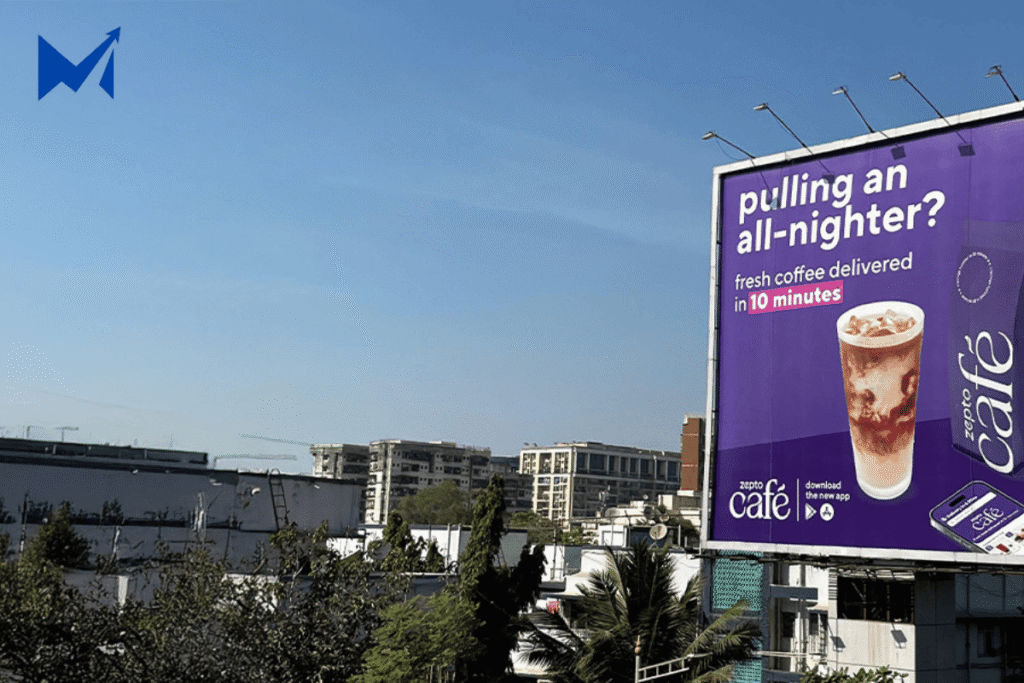
Strengths of traditional marketing
- Tangible presence that enhances local visibility.
- Strong brand recall via memorable visuals or jingles.
- Effective for mass audiences who trust established media.
2. What Is Digital Marketing?
Digital marketing encompasses all online promotion tactics using the internet or electronic devices, such as search engine optimization (SEO), pay-per-click (PPC) ads like Google Ads, social media campaigns, content marketing, email newsletters, affiliate partnerships, and mobile push notifications. It enables two-way engagement - users can like, comment, share, click, or convert instantly - while providing detailed performance data.
Consider a fitness coach in Karnataka targeting half-marathon runners: they could run Instagram Reels ads optimized for "running shoes Bengaluru," driving traffic to a WhatsApp booking link with real-time lead tracking.
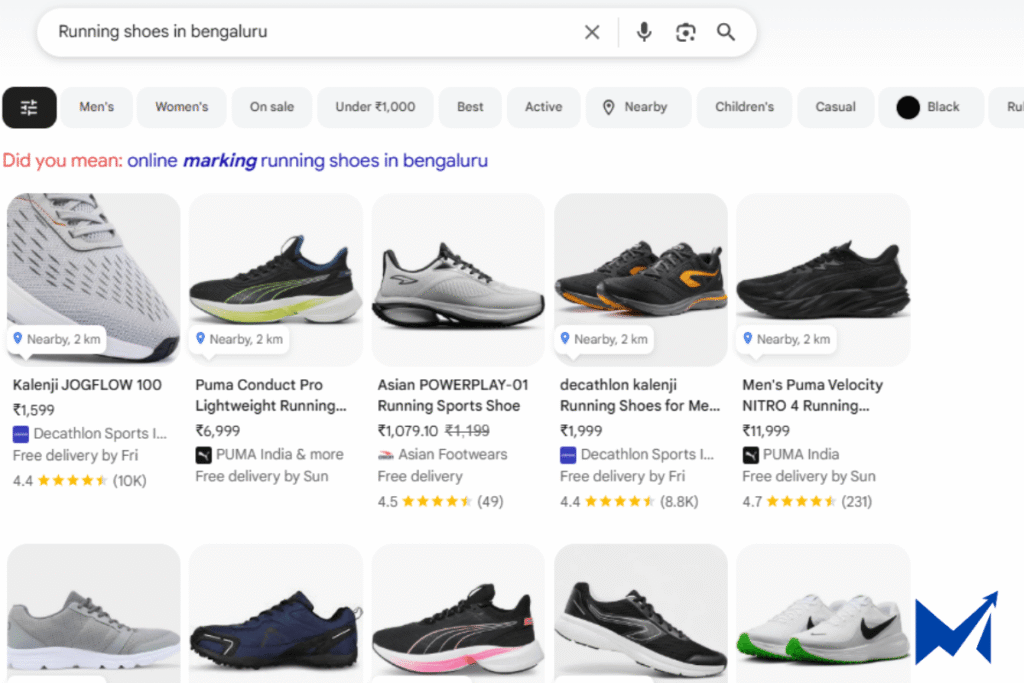
Strengths of digital marketing
- Global reach with budget flexibility for startups.
- Hyper-targeted ads based on demographics, interests, and behavior.
- Instant analytics for ongoing optimization.
3. Key Differences Between Digital & Traditional Marketing
| Category | Traditional Marketing | Digital Marketing |
| Cost | High fixed costs (e.g., billboard production) | Scalable pay-per-performance models |
| Targeting | Broad geographic or demographic casts | Precise by intent, location, behavior |
| Measurement | Estimated via circulation or footfall | Exact metrics like clicks, conversions |
| Engagement | Passive, one-way broadcast | Interactive with real-time responses |
| Speed | Weeks to launch and update | Hours for changes and testing |
| Reach | Mostly local or national | Worldwide, 24/7 access |
| Personalization | Limited to ad creative | Dynamic based on user data |
| Longevity | Short-term exposure | Evergreen content and retargeting |
| Learning Curve | Intuitive for non-tech users | Requires tools like Google Analytics |
4. Why Digital Marketing Outperforms Traditional Marketing in 2025
Digital channels capture modern consumer habits, where smartphones dominate daily life.
4.1 Consumers live online
People spend over 4-5 hours daily on mobiles, browsing social feeds, searching Google, and reading reviews - far more than watching TV or reading print. Brands absent from these digital touchpoints miss high-intent moments like "near me" queries.
4.2 Digital gives you precise targeting
Filter audiences by age (e.g., 25-35 fitness enthusiasts), location (Bengaluru pin codes), interests (triathlon training), or behavior (past site visitors). A SEO consultant can target "Meta ads for dentists India" to attract niche clients instantly.
4.3 It’s cost-efficient
A ₹1,000 daily Google Ads budget can yield 50-100 clicks with trackable ROI, versus ₹50,000+ for a month's hoarding that offers no direct attribution.
4.4 Measuring ROI is simple
Tools reveal top-performing keywords, ad copy, and channels. For e.g., which Instagram post drove 20% of email signups, allowing data-backed decisions absent in traditional metrics.
4.5 You can optimise instantly
Test two ad versions live; pause underperformers in minutes, tweak targeting, or A/B test landing pages. Print errors, by contrast, require costly reprints.
5. But Traditional Marketing Still Works - Here’s When
Traditional shines in specific scenarios despite digital's rise.
5.1 For local geographic saturation

A Mysuru real estate developer uses roadside banners and local newspaper inserts for hyper-local buzz, complementing Google My Business listings.
5.2 For mass brand recall
IPL TV spots or Diwali print campaigns create nationwide familiarity, priming audiences for digital follow-ups.
5.3 For emotional storytelling
Heartwarming TVCs foster deeper connections, like Tata's family-focused ads evoking trust.
5.4 For audiences less active online
Seniors relying on newspapers or radio respond better to offline pushes than social algorithms.
6. The Hybrid Model: The Real Winner in 2025
Integrate both for omnichannel impact: offline sparks awareness, digital drives action.
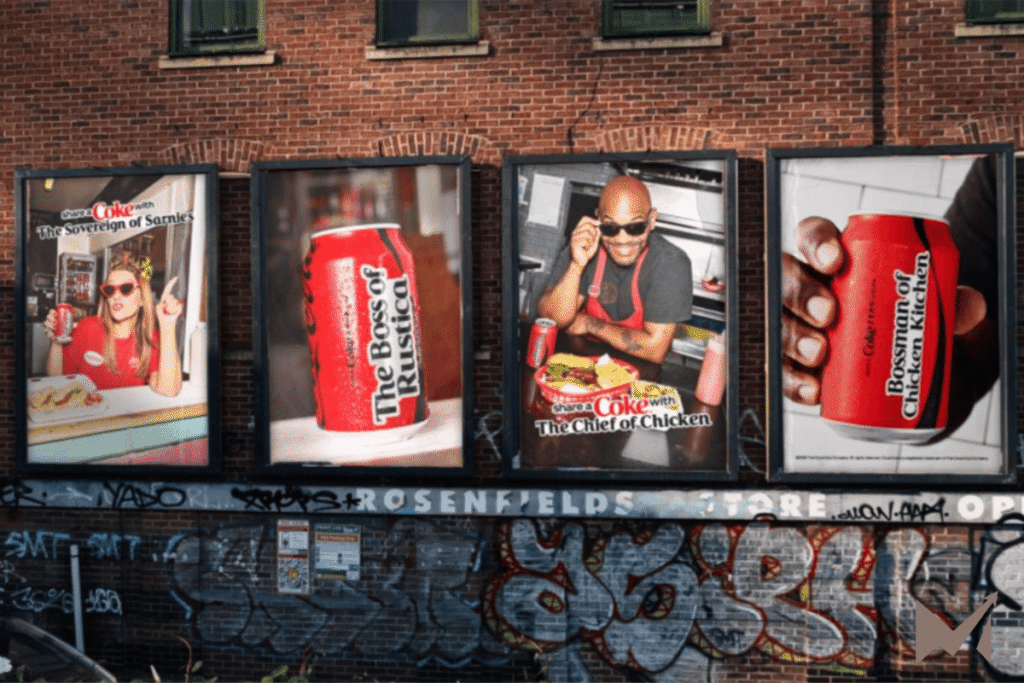
Coca-Cola pairs OOH billboards with Instagram influencers; Amazon blends Prime Day TV hype with targeted retargeting. Jio uses SMS blasts alongside app notifications. This synergy connects the full funnel - track QR codes from hoardings to online conversions for unified ROI.
7. Which Should You Choose for Your Business?
- Brand awareness: Hybrid traditional for reach, digital for amplification.
- Leads/sales/ROI: Digital-first for measurability.
- Small business/startup: Digital for low entry barriers.
- Large enterprise: Blended for scale and loyalty.
For your niche sites (e.g., Saunalogy), prioritize SEO/content + affiliate links; add local OOH if expanding offline events.
8. Final Verdict: Digital Marketing Wins - But Traditional Still Matters
Digital triumphs with measurability, affordability, and precision, but traditional adds trust and local punch. Smart strategies unify them omnichannel-style.
Digital wins on:
- ✔ Precision targeting
- ✔ Real-time ROI
- ✔ Scalability
Traditional offers:
- ✔ Emotional depth
- ✔ Local dominance
- ✔ Proven familiarity
In today's fast-evolving landscape, no single channel holds all the answers - digital marketing's data-driven edge makes it the clear leader for most goals, yet traditional methods provide irreplaceable human connection and community presence. The future belongs to marketers who master both: start with your audience's habits, test small, measure everything, and scale what works. Whether you're a local Bengaluru business owner scaling fitness coaching or managing affiliate sites for clients, build an omnichannel presence that meets customers wherever they are - on the street, in their feeds, or searching for solutions. Experiment today, track tomorrow's wins, and watch your ROI soar.